Massive Long-Range Drone Raids Across Russian Regions: Strike Analysis and Air Defense Strain
A large-scale wave of long-range drone attacks targeting the European part of Russia has triggered 'Carpet' emergency protocols, airport closures, and severe strain on air defense systems. Open-source analytical reports estimate that over 800 units were deployed across four strategic vectors.

Escalation in Aerial Warfare: Analyzing the Massive Long-Range Drone Deployment
Operational Situation and Security Measures
Over recent weeks, the European part of the Russian Federation has faced an unprecedented wave of aerial attacks utilizing long-range unmanned aerial vehicles. According to specialized monitoring platforms and operational military analytics, the strikes targeted multiple strategic regions, significantly paralyzing transport and logistics infrastructure. Due to the approach of unidentified aerial targets, authorities in several oblasts were forced to urgently introduce the specialized 'Carpet' protocol, which mandates the immediate suspension of civilian aviation flights.
Against the backdrop of the massive raid, key air hubs temporarily suspended operations, causing widespread flight delays and logistical bottlenecks in central regions. Civilian airport services operated under heightened alert, while air defense forces shifted to an enhanced duty mode.
Scale Analysis and Strategic Vectors
According to estimates from open sources and analytical channel reports, the number of drones simultaneously deployed in the air operation exceeds 800 units. It is important to note that the Russian Ministry of Defense and the General Staff of the Armed Forces of Ukraine have not provided official confirmation of this exact figure in their briefings. Nevertheless, the expert community emphasizes that launching such a volume of apparatuses requires complex planning and coordination.
Analytical reports indicate the distribution of strike groups across four main strategic vectors. Such a massed approach aims to overwhelm the adversary's echeloned air defense system, disperse its radar assets, and deplete surface-to-air missile stocks. Experts point out that diversifying attacks across multiple directions simultaneously significantly complicates the interception of low-observable targets at low and medium altitudes.
Data Reliability and Impact Assessment
Despite numerous video materials from local social networks capturing flashes and explosions, there are currently no direct official data from competent agencies regarding the confirmed destruction of every specific strategic target. Information on strike outcomes remains fragmented at this time and requires further verification from independent sources and international security experts.
Related Stories
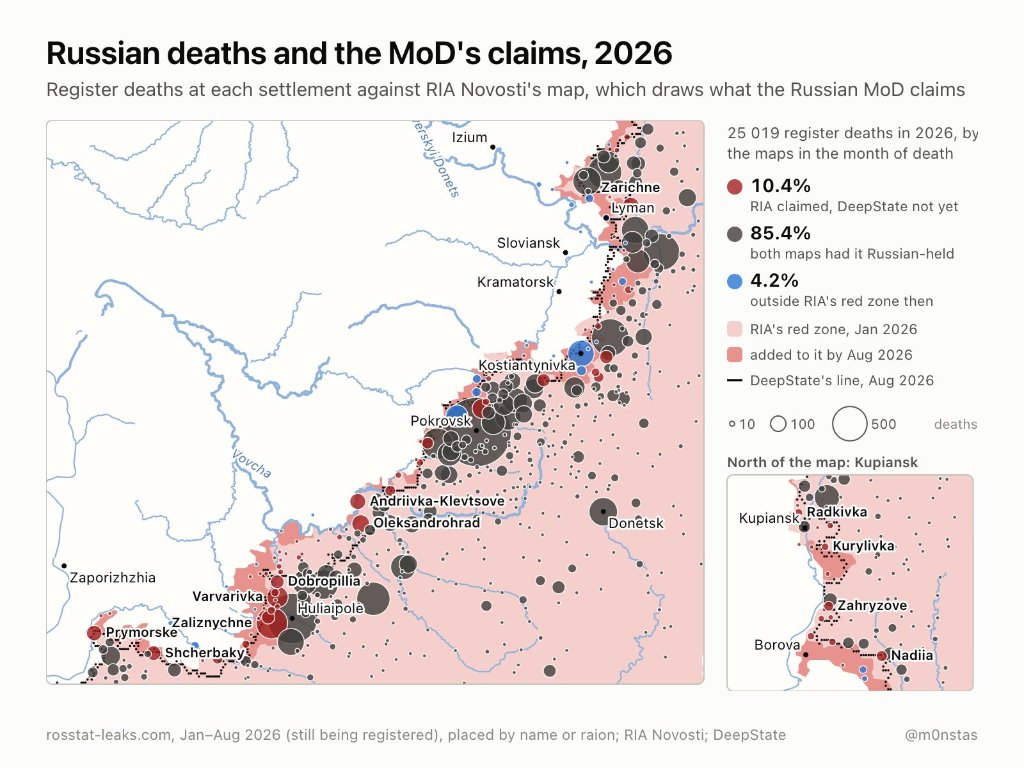
Discrepancy Analysis: Russia's MoD Reports vs. Death Registry Leaks for January–August 2026
An in-depth Zelta News investigation uncovers critical discrepancies between official cartographic reports by the Russian Ministry of Defense and unverified death registry leaks during the first eight months of 2026. The analysis reveals severe geospatial anomalies in the distribution of Russian personnel losses along the frontline.
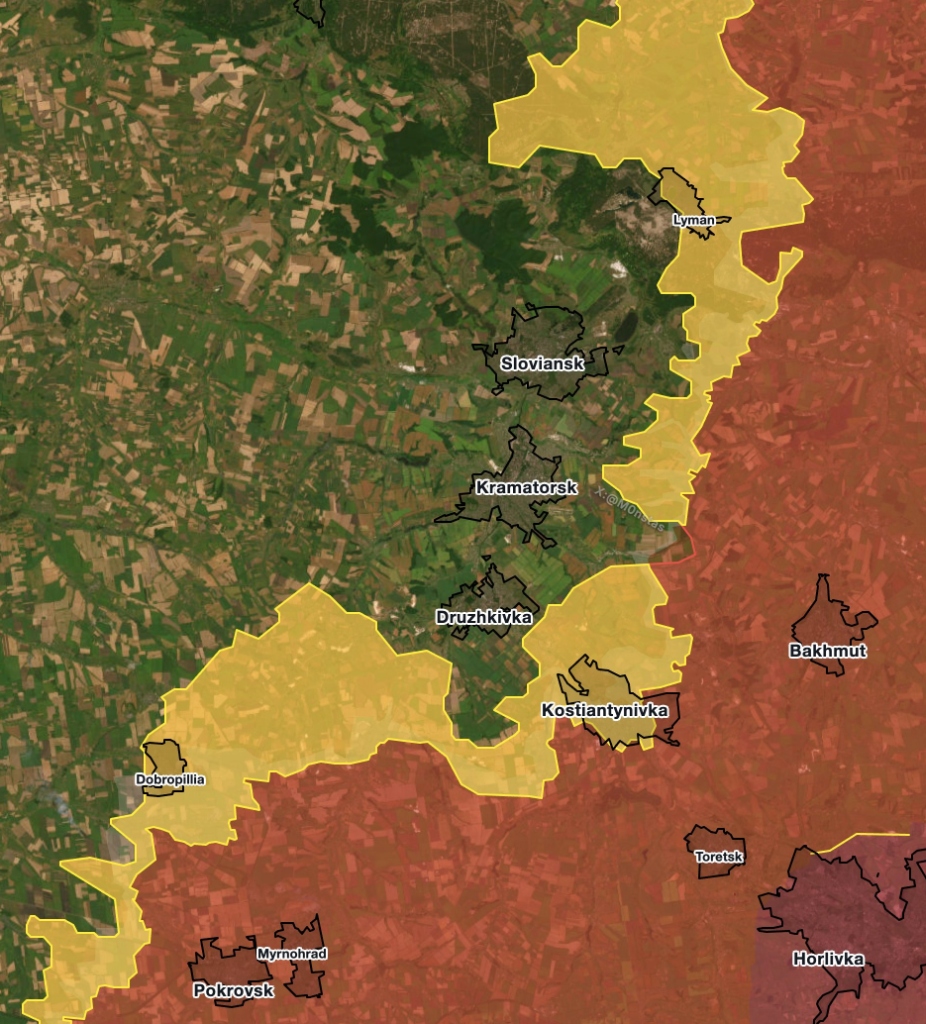
Strategic Risk Analysis: Potential Buffer Zones and Demarcation Lines in Donbas
Zelta News investigative report analyzing military and geopolitical threats stemming from potential demilitarization scenarios and buffer zones in the Sloviansk-Kramatorsk agglomeration, covering key fortress cities and logistical hubs.