Cyberpunk vs. Techno-Utopias: Why Resource Crises Undermine AI-Driven Futures
Silicon Valley paints a picture of universal prosperity driven by artificial intelligence over the next two decades. However, the harsh reality of critical resource depletion, infrastructure degradation, and cyber-neofeudalism turns futuristic promises into a grim cyberpunk scenario.
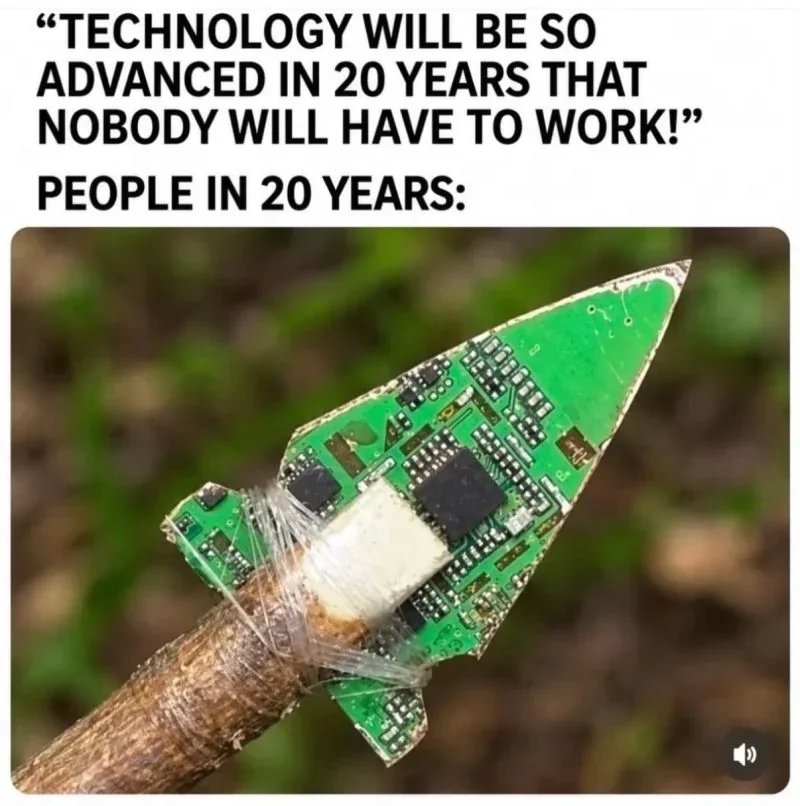
The Illusions of Silicon Valley and Harsh Reality
Today, tech giants actively promote the narrative that over the next 20 years, artificial intelligence will solve all global problems, ensuring a carefree existence for humanity. However, an analysis of economic trends, geopolitical conflicts, and the state of energy grids demonstrates a deep crisis in such forecasts. Instead of universal prosperity, the world is moving toward a model of cyber-neofeudalism, where access to limited technological benefits is concentrated in the hands of a few corporations.
Energy and Resource Collapse
Building and maintaining large-scale data centers requires colossal amounts of energy and rare earth elements. According to specialized institutional statistics, energy consumption by data centers increased by 18% over the past year alone, reaching the consumption levels of entire nations. Simultaneously, reserves of lithium, cobalt, and other critical materials are being depleted at a staggering rate. This resource deficit threatens the very possibility of sustainable development for AI infrastructure, exposing the fragility of global supply chains.
The Threat of Civilizational Regression
Albert Einstein's classic phrase about the Fourth World War being fought with sticks and stones serves today as a profound metaphor for civilizational regression. The scientist never mentioned microchips or printed circuit boards in this context, yet his warning perfectly illustrates the danger of over-reliance on fragile high technologies. If global resources are exhausted before the transition to a sustainable economy is complete, humanity could face a sharp technological rollback, losing hard-earned achievements.
Myths of a Carefree Future
Any assumptions that in 20 years no one will have to work are out-of-touch marketing illusions. Market realities indicate the opposite: automation exacerbates social inequality, creating prerequisites for a new type of labor exploitation. Instead of liberation from work, we are witnessing tighter control over the workforce through algorithmic management.
The conclusion is clear: instead of a carefree techno-utopia, humanity risks getting a fragmented world with resource shortages, where technological progress serves the interests of a narrow elite rather than society as a whole.
Related Stories
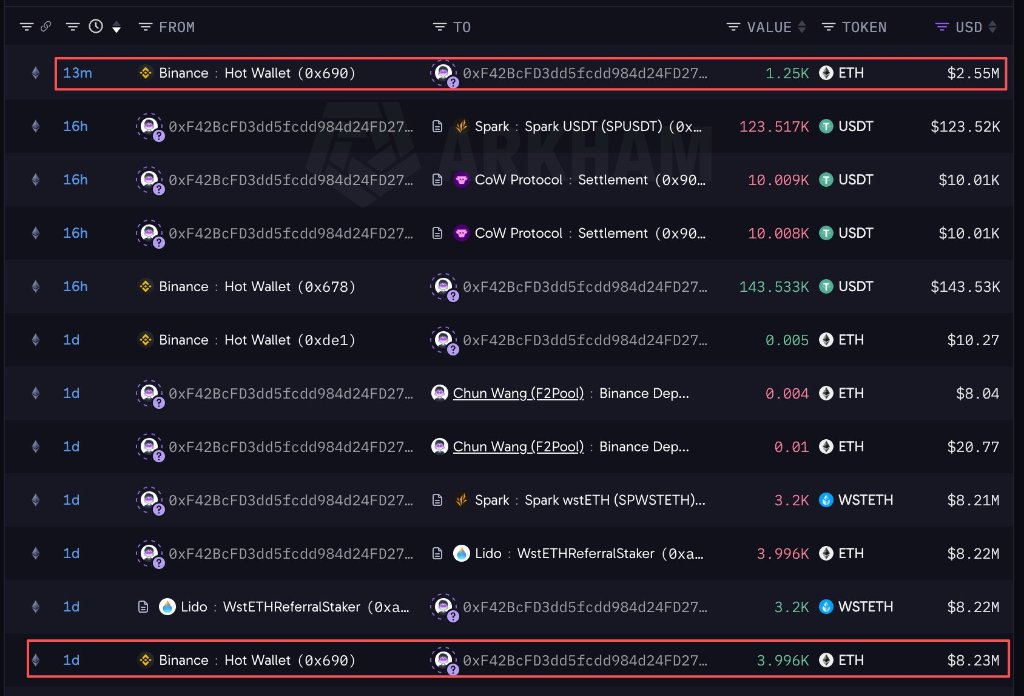
Arkham On-Chain Investigation: Chun Wang's Asset Movements and Smart Money Strategy
Arkham Intelligence analytics tracked trading operations involving wstETH and ETH by F2Pool co-founder Chun Wang. Market observers examine these transactions amid price fluctuations, while financial metrics rely strictly on third-party on-chain calculations.