Diplomatic Deadlock: From the December 2021 Ultimatums to the Realities of Full-Scale War
An analysis of negotiation processes between the US and Russia highlights the unwavering stance of Ukraine and its allies. The ultimatums of late 2021 served as a prelude to the events of February 24, 2022, after which no official bilateral agreements on buffer zones or local truces have been established.
The Evolution of Security Dialogue and Diplomatic Realities
The diplomatic and negotiation process between the Russian Federation and the United States regarding the war in Ukraine remains locked in severe confrontation. An analysis of the historical retrospective indicates that the modern security architecture began to collapse long before open hostilities commenced. A critical turning point in escalation occurred in December 2021, when Moscow officially presented the US and NATO with ultimatum demands regarding so-called "security guarantees."
Ultimatums and Invasion Prerequisites
Among the core points of the Russian demands in late 2021 was the demand for the total non-expansion of the Alliance eastward and a refusal to admit Ukraine into the military bloc. Washington and its European allies rejected these demands as violations of the sovereign right of states to self-determination. Ignoring the West's compromise proposals and insisting on changing Europe's geopolitical landscape by force led to an inevitable catastrophe.
The launch of Russia's full-scale invasion of Ukraine on February 24, 2022, permanently shattered the remnants of the previous international security system. This date divided diplomatic relations into two epochal periods: attempts at deterrence through negotiations and the period of direct armed resistance to aggression.
Episodic Contacts and the Absence of Secret Pacts
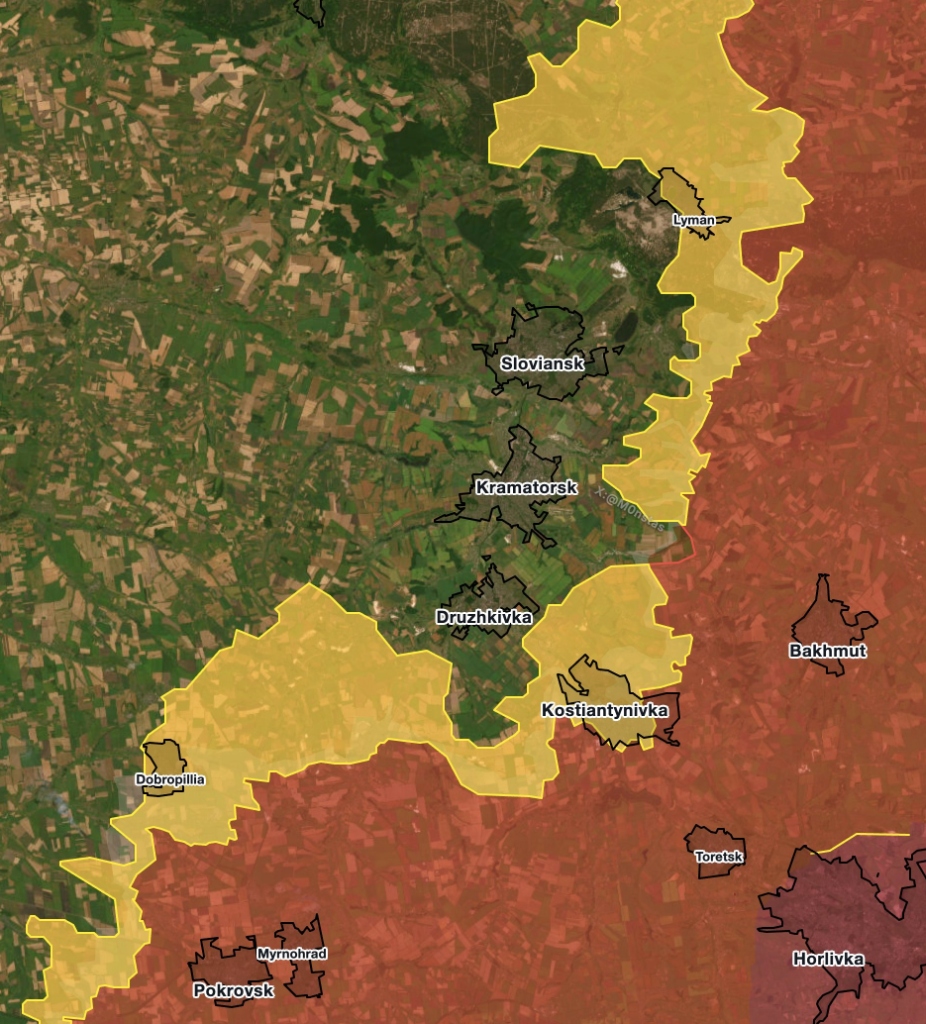
Following February 2022, diplomatic contacts between Moscow and Washington occurred sporadically and through limited technical communication channels. At the same time, a clear distinction must be made between actual policy and media speculation. No official intergovernmental agreements or approved international treaties regarding the creation of buffer zones or local truces in the Kostiantynivka area at the level of the US and Russian governments have ever been confirmed. Such insinuations are most often elements of informational pressure or unverified leaks from anonymous sources lacking legal force.
The Stance of Ukraine and International Partners
The official position of Kyiv and its allies remains resolute: the issue of Ukraine's internationally recognized borders and the mandatory involvement of European partners in any settlement formats are foundational principles. Any attempts to reach separate agreements without Ukraine's participation are doomed to failure, as they contradict the norms of international law and the UN Charter.
Western partners continue to support the Ukrainian peace formula, emphasizing that sustainable peace is possible only upon the restoration of Ukraine's territorial integrity within its internationally recognized 1991 borders. Any negotiation formats that fail to account for this fundamental factor cannot ensure long-term stability on the European continent.
Related Stories



NATO Overhauls Defense Planning: Alliance Prioritizes Russian Deterrence Over Foreign Deployments
NATO's 32 member states are negotiating a new political guidance document that drops decades-old dual-readiness mandates to focus critical military assets on defending Europe.